


Highlights
Theme and guest introduction
Rethinking expertise in an AI-driven world
AI as a tool for collaboration and dynamic expertise
Bias as the motivation for Dr. Howard's audible book, Sex, Race & Robots
The student voice in the development of AI systems
Looking forward and hope for the future of AI and education
Call to action to help create more equitable AI
Final thoughts and goodbye
There’s an old saying: familiarity breeds complacency. As Artificial Intelligence (AI) becomes more integrated into everyday work and life, the need to use it thoughtfully and critically is more important than ever.
So why can’t we simply trust that AI outputs are fair, balanced and equitable? Because AI is a co-created system, shaped by what humans make available to it. And since we’re far from perfect, the data we provide reflects our own biases—intentional or not. As this episode’s guest explains, bias isn’t always clear-cut. The real challenge is learning to recognize and prevent biases from causing harm and when biases are beneficial.
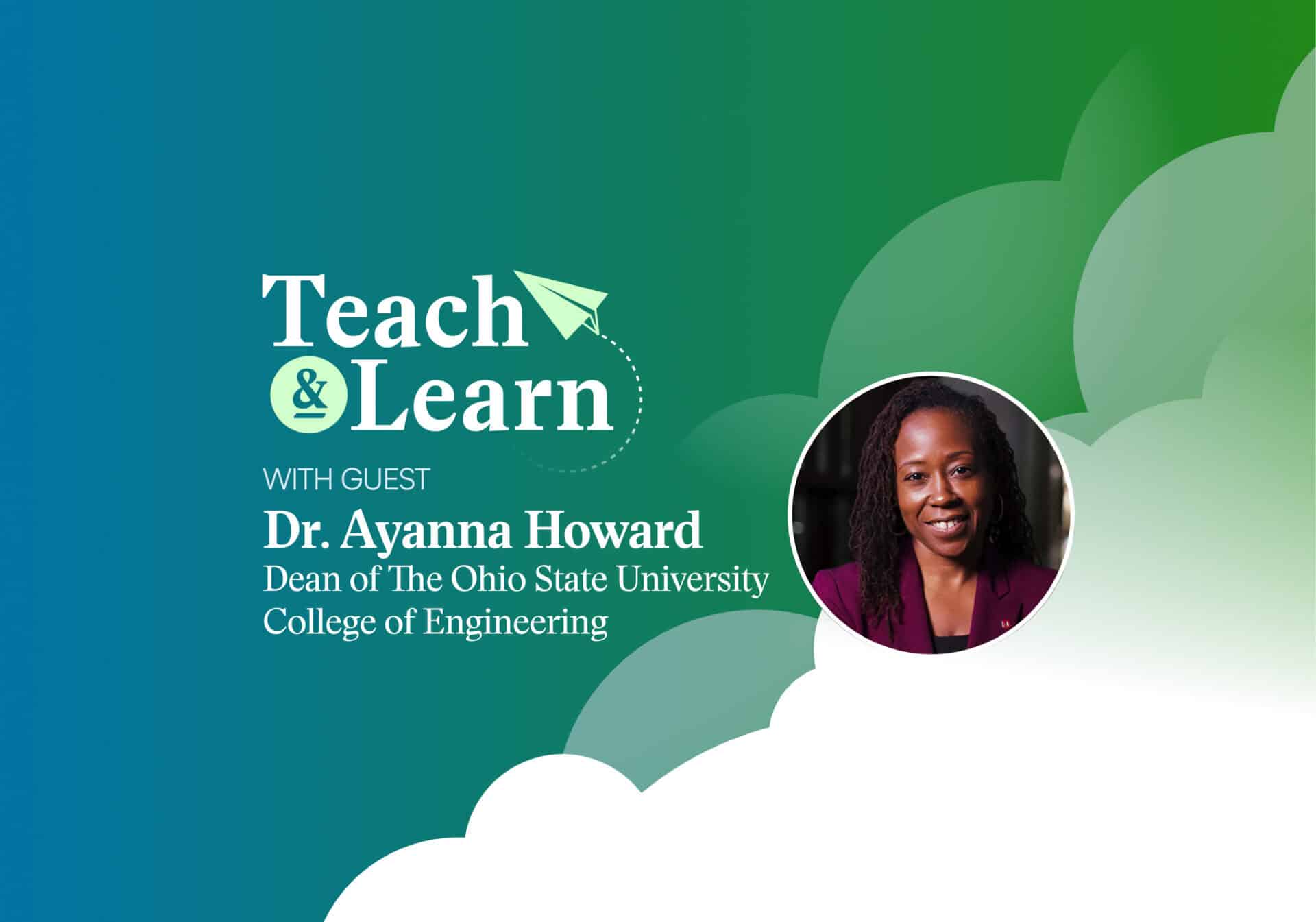
In this episode of Teach & Learn, host Dr. Cristi Ford is joined by Dr. Ayanna Howard, a leading roboticist, former electrical engineer at NASA’s Jet Propulsion Laboratory and dean of The Ohio State University College of Engineering, to explore what it means to be human in an AI-driven world. Drawing from her keynote at the D2L Executive Summit and her audiobook Sex, Race, & Robots, Dr. Howard challenges how we define expertise, reframes how we think about bias and offers a hopeful, practical vision for more equitable learning and work.
Rather than positioning AI as a replacement for human expertise, Dr. Ford and Dr. Howard chat about how AI can act as a collaborator, supporting curiosity, creativity, critical thinking and problem-solving when educators and learners engage with it thoughtfully.
In this episode, Dr. Ford and Dr. Howard discuss:
- why AI should be approached with intention, not blind adoption
- how expertise is shifting from static knowledge to dynamic, human skills
- why bias in AI isn’t inherently harmful—and how context matters, including in areas like medicine
- how a lack of diverse voices and lived experiences leads to inequitable outcomes
- practical actions educators, leaders and technologists can take to shape AI responsibly
As Dr. Howard reminds us, being human in the age of AI means leaning into curiosity and creativity—and taking responsibility for the systems we help create.
Speakers


Dr. Ayanna Howard
Dean, The Ohio State University College of Engineering Read Dr. Ayanna Howard's bioStay up to date with our Teaching and Learning Studio Newsletter
Get updates on the latest podcast episodes, free masterclasses, articles and more.
