

Six thousand people came to Denver for EDUCAUSE 2026 to talk about AI in higher education, and the question that kept surfacing was not what it can do. It was whether, and where, it is worth doing.
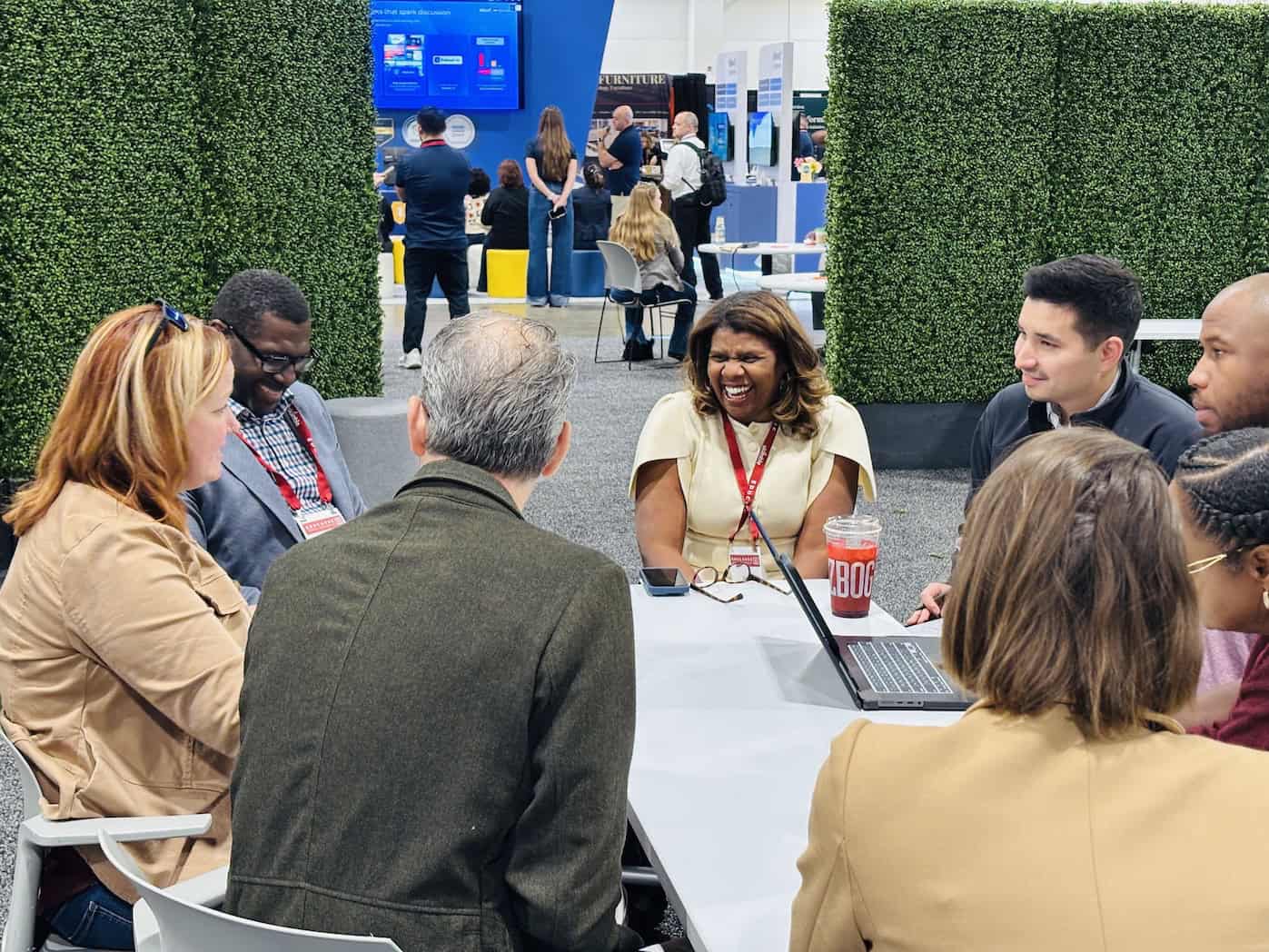
Day 2 of the conference opened with EDUCAUSE presenting the top 10 challenges ahead, naming the moment we are in “The Age of Perpetual Change.” Unsurprisingly, many of those themes came alive during the Ask the Expert session I hosted with Dr. Gloria Niles, Chief Academic Technology Officer at the University of Hawaii System Office, and Dr. Sherri Braxton Castanzo, Deputy CIO for Digital Innovation at Bowdoin College.
In fact, even though we met the day before those results were announced, the conversation with participants landed squarely on the number one issue voted by the EDUCAUSE community: determining where AI adds real value.
Higher education is at a pivotal moment. AI is being explored cautiously, embraced selectively, and approaching its use with clear purpose and intention. What stayed with me was the care institutional leaders are bringing to these decisions. They see the possibilities. They also understand that every choice they make carries the weight of responsibility owed to the students, faculty, staff, and communities they serve. I was in Denver as a partner to institutions rather than a leader inside one, and that vantage point shaped what I listened for.
Governance that earns trust
I heard a consistent theme across institutions: a desire for room to experiment, paired with confidence that the right safeguards are in place to protect people, data, and resources. Holding those priorities together takes more than a policy. It takes trust, clear expectations, and a shared understanding of what AI should help an institution accomplish.
For some institutions, the first step was a centralized review process. With so many tools entering the market, leaders needed a way to evaluate what was coming into their environments and how institutional information might be used. Those processes provided the necessary structure. They also raised a practical question: how do we make responsible experimentation accessible enough that people will work within the process?
That is a change management question as much as a technology question.
Faculty and staff need to understand why a review matters, where to go for support, and what happens after they ask to try something. They also need space to voice concerns about how AI could change their work. We cannot assume that an invitation to innovate feels equally reassuring to everyone.
I also heard a more direct set of expectations for vendors. Institutions are asking harder questions about security, pricing, and the commitments they are being asked to make. They want evidence that a partner can meet their requirements, including appropriate security assurance and third-party risk review. Enthusiasm for a product does not remove that responsibility.
Budget predictability came through clearly. Usage-based pricing can create uncertainty for institutions already making difficult choices about resources. Leaders want to understand what a tool will cost as adoption grows and whether they can sustain access once an initial experiment becomes part of everyday practice. They are also looking for agreement terms that give them flexibility as the technology evolves.
For those of us working alongside institutions, these are reasonable expectations. We need to make our value clear, answer difficult questions openly, and understand the conditions under which institutions can move forward.
Assessment that shows thinking
The conversations about learning spaces brought me back to a question at the heart of our work: how do we know students are learning? AI can generate a prompt, summarize a reading, or produce an answer. Assessment needs to help us see the thinking behind that answer. But convenience alone tells us very little about whether learning is happening.
I heard educators thinking carefully about how to make students’ reasoning visible. Think-alouds, reflective journals, and explanations of how students used AI offer ways to understand the choices behind a submission. What did the student question? What did they accept? Where did they disagree, and why?
Those questions create opportunities to strengthen assessment and learner agency. They ask students to take responsibility for their judgments and give faculty a clearer view of where support is needed. They also remind us that producing something polished and developing understanding are different accomplishments.
Language that invites questions
I was also struck by how much the language of leadership matters. A policy introduced through fear can make people reluctant to ask questions or share what they are trying. Explaining how that same policy protects students, supports educators, and preserves institutional resources gives people a purpose they can understand.
My reflection is that institutions are looking for partners who appreciate the complexity of this moment. They need clear safeguards, sustainable costs, support for their people, and meaningful evidence of learning. They want to move forward in ways that reflect their mission and earn the trust of their communities.
That is where I believe our attention belongs: helping institutions create the conditions for thoughtful experimentation, while keeping the people and the learning at the center of every decision.
Thank you to everyone who joined our Ask the Experts session for your thoughtful questions and candid engagement. Your willingness to share what your institutions are navigating made the conversation richer. A special thank-you to my fellow presenters, Dr. Gloria Niles and Dr. Sherri Braxton Castanzo, for bringing your perspectives, experience, and care to the discussion. I left with plenty to reflect on and an appreciation for the work we are each doing to move this conversation forward. Until next year!
From governance and policy to assessment and faculty support, the questions raised at EDUCAUSE 2026 are shaping the future of higher education. Explore D2L’s AI Hub for practical resources, expert perspectives, and real-world examples from institutions navigating AI today.


