

Massage & Myotherapy Australia is the country’s largest massage-only association, supporting more than 8,000 practitioners. As a self-regulated profession working to be recognised as a core part of healthcare, the association is focused on strengthening professional identity, and positioning its members as credible, skilled healthcare providers. Central to this mission is a strong commitment to lifelong learning to ensure practitioners continue to grow well beyond graduation.
In this blog post, explore how the association embeds education into its membership value: from making continuing professional education a requirement to designing flexible, data-driven learning experiences that align with real career pathways.
The challenge of being self-regulated
In the healthcare sector in Australia, massage is a self-regulated profession and often seen as complimentary. Ann Davey, CEO of Massage & Myotherapy of Australia, and her board have been focused on having massage seen as healthcare and not just a nice to have. One way they do this is through skill development, using its education programme as lifelong learning to support members as professional healthcare workers.
“I can see the potential for this profession, but they need to be professionals. Education supports that,” says Ann. “I want to prove that they are healthcare workers, professional, take it seriously and they want to learn and develop.”
Making learning a membership requirement
One way Massage & Myotherapy of Australia ensure that continuing professional education (CPE) is taken seriously by members is by making it a requirement.
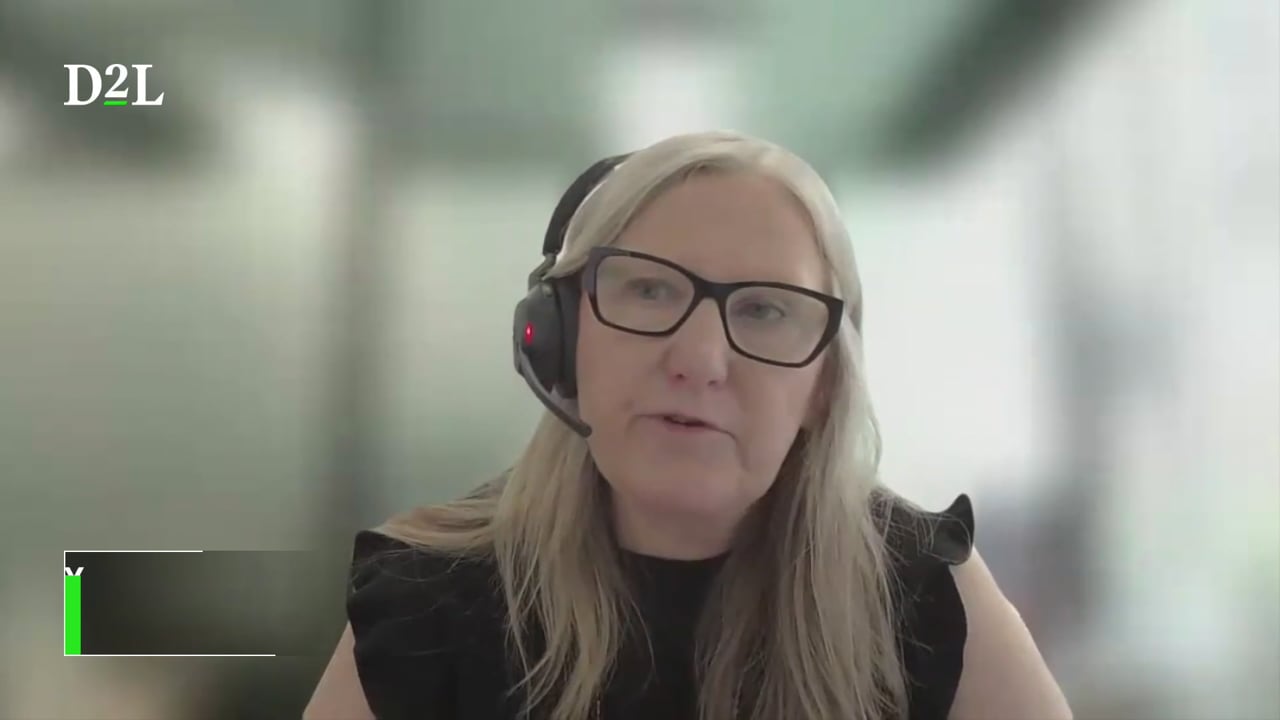
“We’ve never looked at it as a profit centre. We look at it as a benefit of membership,” says Ann. “You have to earn from your CPE programme to enable you to provide it, but I think we were early adopters to enhance our online learning, and there is so much more that you can do online post-graduation in our sector.”
The association has been very successful with its learning because it’s self-paced, which appeals to working professionals with varying schedules. It also helps to broaden offerings beyond the scope of a members’ profession to make them more aware of how they can further develop.
“We’ve had hypnotherapists write journal articles for us so that our members are aware of what hypnotherapy is. We’ve partnered with the Australian Diabetes Education Association who have written a module for us specifically about diabetes for the massage sector,” Ann explains.
“Even melanoma, massage therapists are perfectly set to go, ‘Oh, maybe you should get that looked at.’ Not to diagnose, but to be aware. And they’re things that you can learn online.”
Aligning learning with career growth
Ann has worked hard with her team to let members know that continuing education isn’t just something you pay for, it’s a career support.
For many members, during their first year of practice they’re sole practitioners and make a lot of decisions on their own with minimal support.
“Post-graduation education is super important,” says Ann, from many perspectives that can include business, marketing, scope of practice, ethics and best standards.
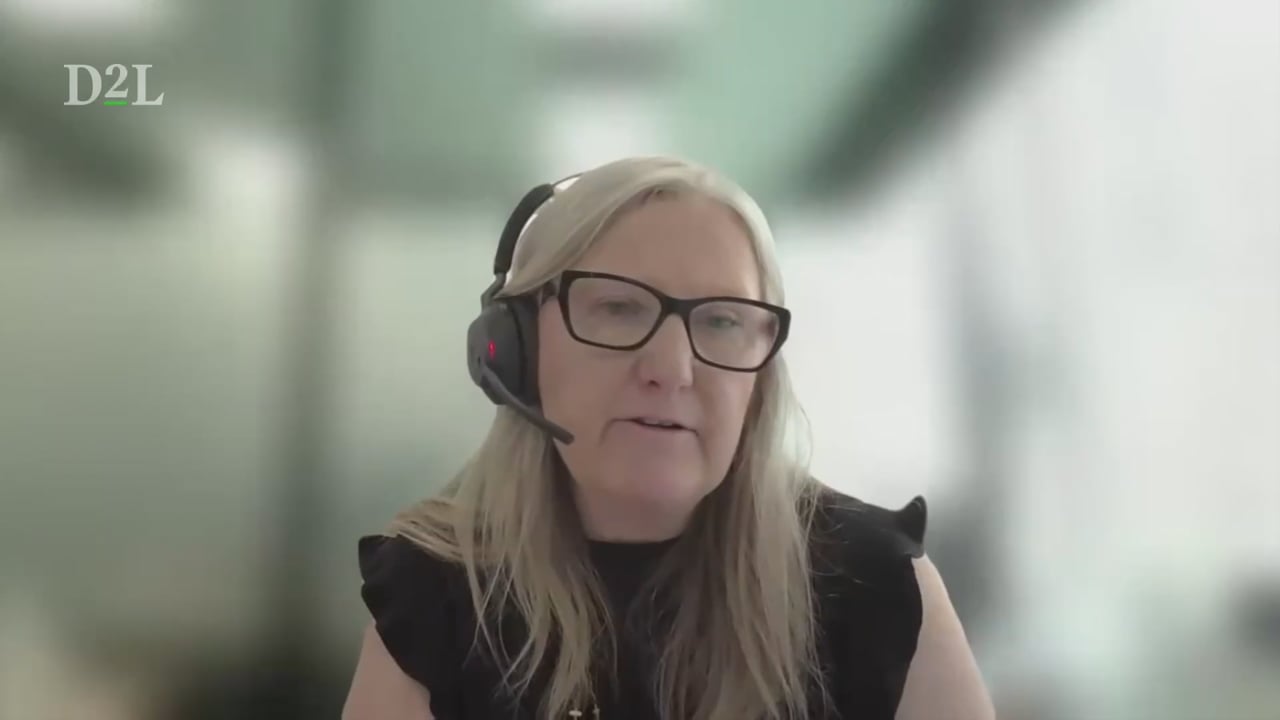
“What we are developing is education around what a career pathway looks like in massage,” says Ann. “It doesn’t necessarily have to be hands-on. It could be teaching, could be research, could be creating a multimodality clinic, and also to enhance public funding.”
Online learning is how the association helps prepare members for how the discipline is evolving.
“It’s about educating our members about what’s next for our profession,” she explains. “You’re a massage therapist, remedial massage therapist or myotherapist. You support your customer base, but what else can you do?”
Using data to drive member engagement
Data plays an important part in creating and updating learning content that resonates with Massage & Myotherapy of Australia’s members.
“The data for our CPE calendar, and that’s online and face-to-face, it’s really good data,” says Ann. “We analyse it every quarter. We look at what’s selling, what’s not, what’s successful and what’s not. You’re always trying to improve on the previous year and do better.”
Ann also sees success outside of ROI when looking at popular programmes that aren’t a requirement of membership or those the association predicts might not resonate—like a course on industrial relations. Despite what may be perceived as a dry topic, Ann has had very positive feedback from members saying the course was great and should be featured every year because it’s information the members want and need to know.
“That is what you really want to hear. There’s no point creating something or providing something that is not what they want,” Ann adds.
Another way they track success is through non-member engagement.
“The other measure is practitioners from other associations wanting to attend our workshops and do our online learning,” she says. “That’s actually a big one, which means maybe we are doing a better job than our competitors, or maybe we’re just offering something that they’re not offering.”
Massage & Myotherapy of Australia is also very intentional when engaging with its members, spending time understanding what they’re interested in. One tactic the association has found success with is using surveys to ask members what they want to learn, what’s missing from their profession or the challenges they’re facing.
Some ways the association garners member feedback are through:
- Emails
- Phone calls
- Social media posts
These intentional interactions help members engage with the association, which leads them to engage with its learning.
Getting the board on board
Another reason Massage & Myotherapy of Australia has been so successful with its learning programmes is because of the support shown by its board.
“They trust us operationally to have an ear to the ground and understand what members are looking for or what the profession is looking for, what changes there are,” says Ann. “The more that they see what we do, the more they want us to do, which is great.”
Part of gaining the board’s trust involved being clear on the different ways success can be measured.

“The measure of success is not always financial. It can be feedback. It can be members’ careers advancing because of something that they did with us and then they pursued it,” she explains. “We are here for the members. We wouldn’t be here without members. So what is it that the members need and want?”
Now, lifelong learning is embedded in the association’s strategic plan.
You’ve got to get your board on board with what you’re doing regardless of the success, because the success will come as the members learn the benefit of it and what it means to them.Ann Davey Chief Executive Officer, Massage & Myotherapy of Australia
“[Learning] has got to resonate with your membership and you have to sell that value proposition to your board,” says Ann. “Realistically, a board should be wanting their members to be the best that they can be, and this is one way to do it.”
Tips for getting started with learning
For any associations looking at how to get started with learning programmes, Ann’s advice is to consider the user experience and how to hook learners with subject matter experts.
“The user experience, particularly online, makes it easy for them. If they can register and then five minutes later be doing a module, that’s great,” she says.
“If you’ve never done it before, get people to write your modules or present workshops … that are well known in the profession because that will be your draw card. That gives your members the experience and then they’ll go, ‘Oh, that was easy and I got to see this amazing person. I wonder what else they’ve got.’”
Written by:


