D2L Connection Bangalore 2025 Takeaways: Igniting the Joy of Learning in India
Setting the Stage in Bengaluru: The Epicenter of Education and Innovation in India
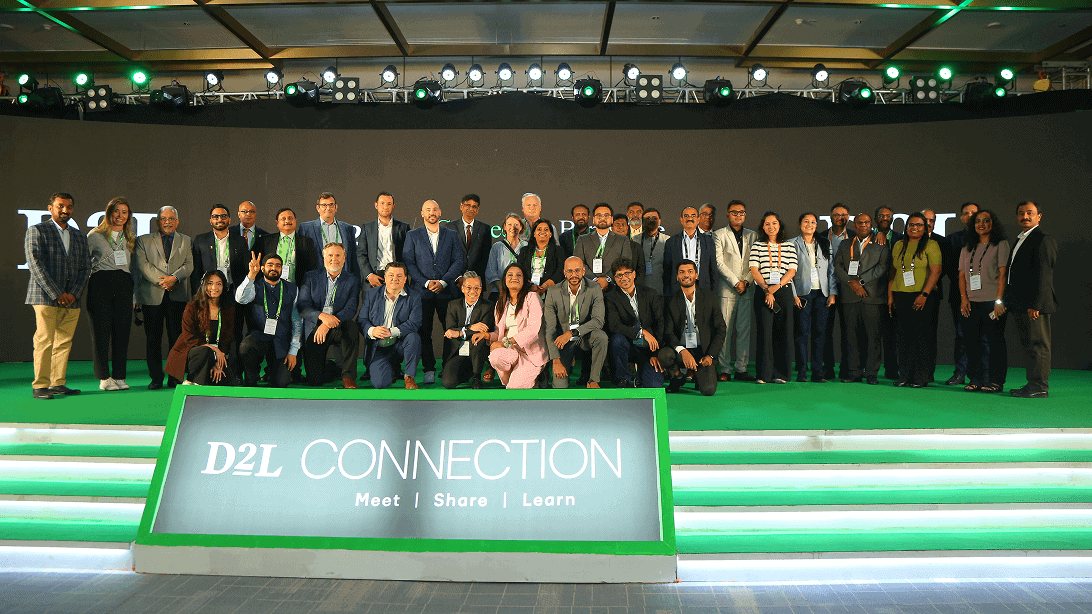
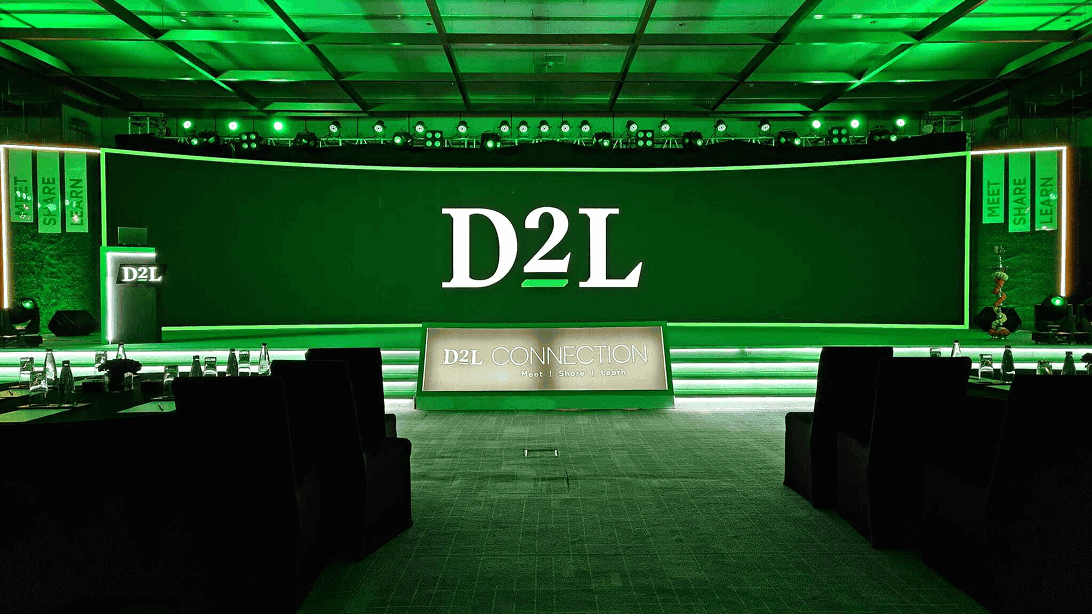
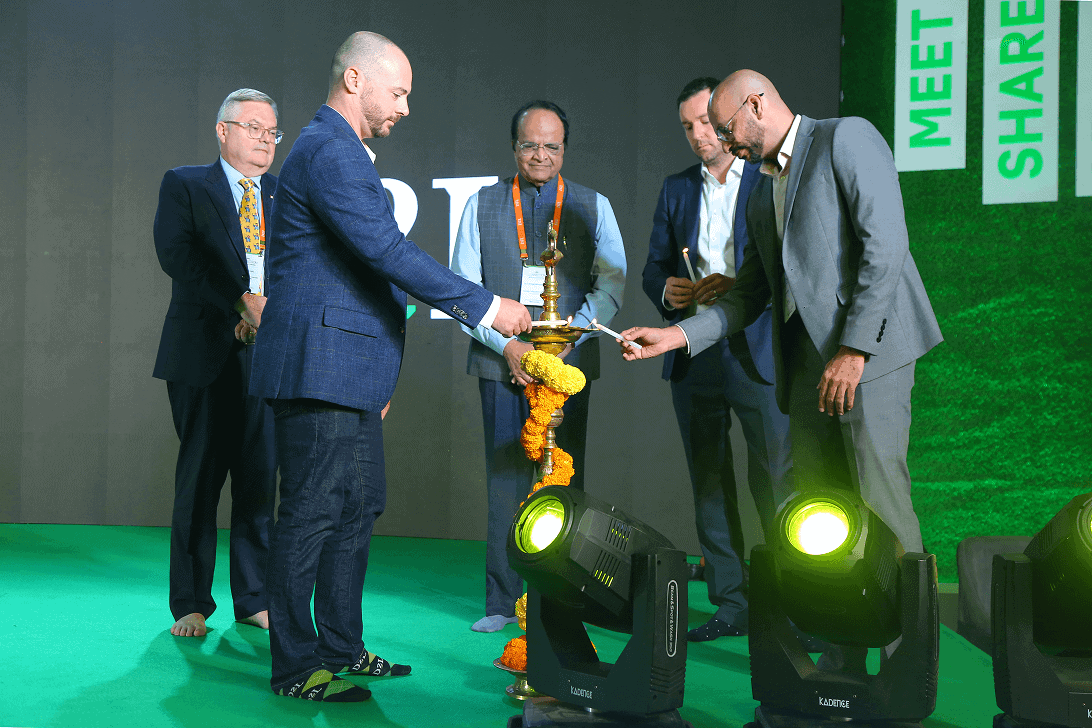
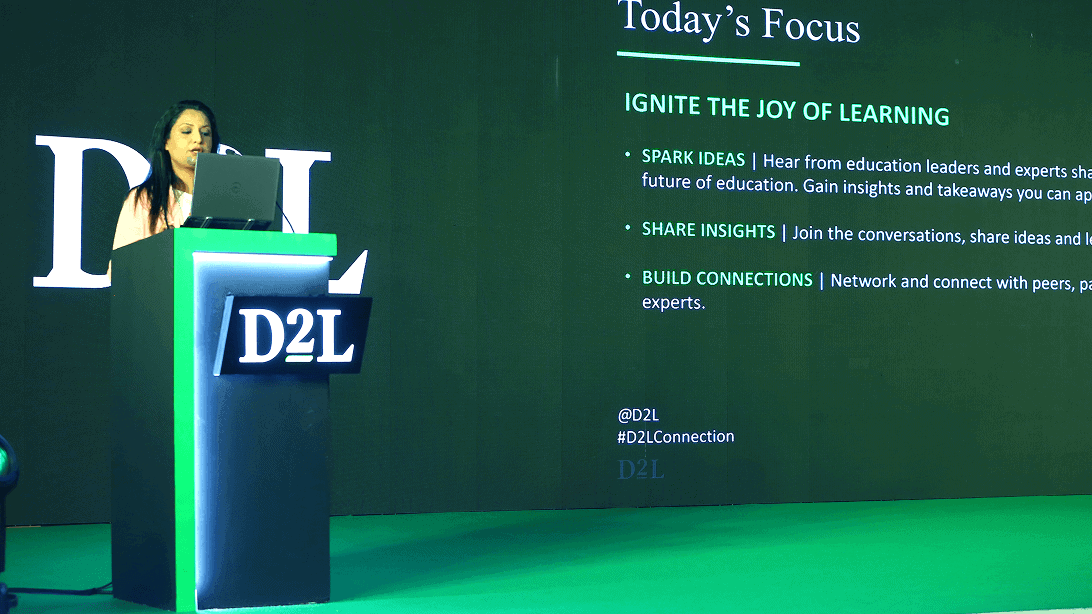
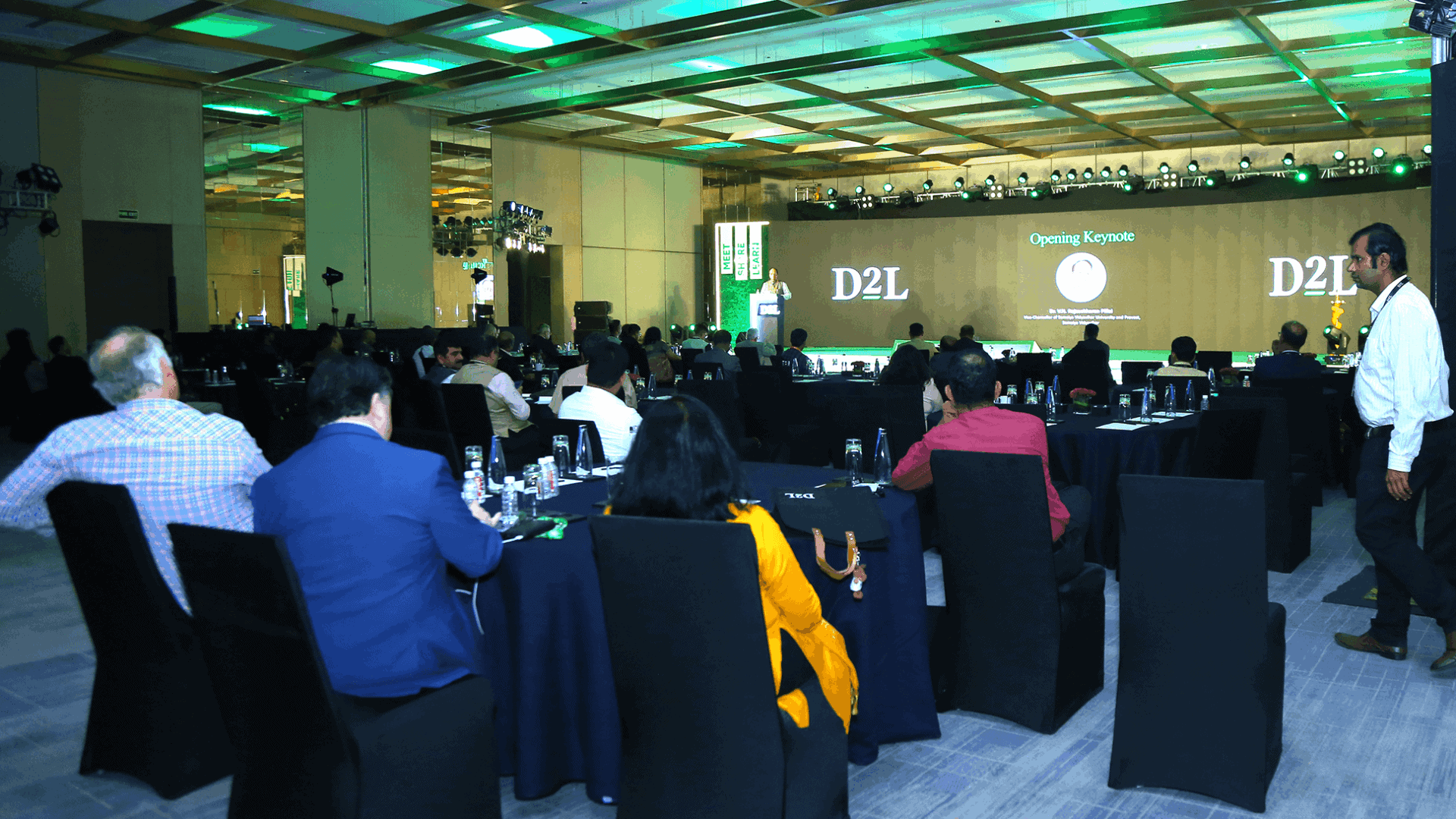
The first D2L Connection conference in India, hosted in Bengaluru, left a lasting mark with the educators and leaders who attended. Assembling innovators from various institutions, the event shed light on India’s demographic dividend and the dire need to prepare emerging talents for the real world by creating meaningful learning experiences. The theme of the conference, Ignite the Joy of Learning, was felt in conversations about clarity, innovation and collaboration—qualities that are essential to both faculty and learners in the fast-changing global environment.
Visionary Perspectives: Innovative Leadership to Change Higher Education
The discussions saw the presence of educational leaders such as Dr. V. N. Rajasekharan Pillai, who pioneered Indian policy on higher education and accreditation over the last decade, and provided a backdrop to the necessity of integrating technology, like a learning management system (LMS), within the basics of learning.
Technology is not only redefining the classroom but also leading to inclusive and learner-centric environments. College administrators emphasized that technology is an enabler, not a substitute replacement for teachers, and the true magic lies in having empowered educators applying digital tools to multiply their effects.
The value creation happens during the interaction between the teacher and the student. Technology is only to enable how to enhance this interaction. That’s where the technology’s focus should be.
Pravin Kumar, Vice President, IT and Digital at BITS Pilani.
D2L’s first customer in India, MAHE Online, has been at the forefront of digital transformation in higher education. From enhancing learner engagement to streamlining course delivery, MAHE shared how D2L Brightspace has supported their mission to keep students at the center of every decision.
O.P. Jindal Global University (JGU), another D2L customer, launched JGU Online to extend its academic excellence to learners worldwide, with Brightspace as the cornerstone of this transformation. JGU shared how Brightspace has enabled the institution to streamline operations, empower faculty, and deliver engaging learner-centric experience. By expanding its global horizons, JGU is reimagining online education and shaping a new model of democratizing accessible, high-quality learning for students in India and around the world.
Technology and AI: Designing Individualized, User-Friendly and Functional Learning
One of the key themes of the event was that purposeful AI that drives the learning moment would be a critical factor in changing higher education on a large scale.
Innovative ways of applying AI to enhance engagement, retention, and student outcomes were discussed, including the use of personalized learning paths, automated communications, and multilingual accessibility. The session on Future-Ready Universities: Cloud + AI for the New Learning Reality highlighted how legacy institutions in India are staying relevant by embracing cloud-first strategies to modernize infrastructure, leveraging AI for personalized learning, student success and reducing faculty overload, and strengthening governance.
Combining analytics and a mobile-first approach was also described as mission-critical in terms of reaching a wide range of learners, whether on campus or not, as well as helping them to achieve personalization of their progress and receive real-time feedback.
Some highlights of product innovation featured in Brightspace that was showcased at the event included:
AI-based content creation: D2L Lumi suite which allows documents to be transformed with interactive learning, intelligent quizzing, captions with inclusive features and customized studying support.
Scalable authoring and collaboration: The new Createspace feature that will allow educators to author, publish and share across courses, facilitating teamwork between peers and a fine-grained ability to control the deployment of content.
Models of Blended Learning: Faculty and Student Empowerment
The influence and tricks of successfully rolling out blended learning were revealed in an expert panel during the event. The panelists discussed how blended learning could be the key to providing equity in learning, making it more accessible and engaging for learners on a global scale.
It was discussed that the best way to make blended learning models successful is by focusing on faculty training, technical infrastructure and support, digital literacy for students, strong mentorship programs, and feedback mechanisms. The speakers also noted the importance of motivating faculty to adopt new technology by highlighting how it can improve student engagement and reduce their administrative workload. They recommended ongoing faculty growth, student preparation campaigns, and the joint decision-making process as the keys to the sustainability of blended learning.
The speakers also mentioned how D2L’s Pulse App improves accessibility by allowing students to access their learning anywhere at any time. They talked about how technology can positively impact campus programs, giving an example of how a strong LMS can enhance learning with digital content and AI-driven tools. These tools introduced through blended learning also allow for better data collection, helping institutions better understand what is and isn’t working and encourage continuous improvement.
A Time of Scale in Policy, Accreditation and Quality Assurance
The panel discussions were around the goals of India under the National Education Policy (NEP) with a greater focus on the gross enrolment percentages and transition to outcome-focused education and more flexible accreditation. The issues of scale, regulatory diversity and inclusivity were raised, and a consensus was reached that technology such as that found in Brightspace is central in the registration, quantifying and improving quality assurance.
Accreditation in India is undergoing one of its most transformative shifts in decades. With NAAC’s move toward a digital-first, binary, and maturity-based accreditation model, quality assurance is no longer just about compliance, but also about continuous improvement and demonstrable outcomes. This shift reflects a broader policy goal: To simplify, standardize, and digitize the quality assurance process in Indian higher education, in alignment with the NEP 2020. Institutions now have an opportunity to embrace data-driven transparency, student outcomes, and innovation as central measures of success.
Technology is becoming the greatest enabler in this transition. AI-enabled pedagogy, digital documentation, and actionable analytics are now at the heart of accreditation, reshaping how quality is defined, measured, and monitored across institutions.
This reform in Indian education redefines quality not as a static standard, but as a living framework that evolves with learner needs, technology, and societal impact.
Vivek Iyer, Managing Director for D2L India
Leadership Reflections: Teamwork, Lifelong Learning, and Fairness
Presenters encouraged institutions to be more passionate about constructive industry-academic relationships, micro-credentialing and comprehensive learning opportunities that equip students to not only meet their present employment but also be adaptable throughout their lives.
Sessions also highlighted that the skills of the jobs of tomorrow are not going to be the same as the jobs of today. While the base foundation of knowledge learned at university won’t change, new offerings like micro-credentials and AI-driven learning should be introduced. The speakers also mentioned that partnerships between universities and companies like D2L help to ensure learners and faculty get the best of both worlds.
The Road Ahead: Creating Happy, Inclusive and Innovative Learning Ministries
D2L Connection 2025 India was a strong demonstration of vision, technology and leadership convergence. As India drives into desired educational objectives, educational collaborations with industry and technology providers are creating the basis for scalable, customized and happy learning moments. The experiences and novelty of what can be found hereunder confirm the commitment of putting learners and teachers first, and using tools that create significant, long-lasting change.
Want to know how D2L Brightspace is creating impact in Indian higher education?
Discover how Brightspace helped SRM Institute of Science and Technology Online Education reach 30% higher faculty user satisfaction, 3x higher assessment completion and 2x more efficient course assessment with powerful analytics tools.